
Display Boxes or Display Racks?
2025-11-10 00:00:00
Click:
“
In the display scenarios of stone products (such as exhibition hall display, exhibition promotion, and customer sample presentation), display boxes and display racks are the two core carriers. They are not a case of "either/or" but need to be accurately matched according to the display purpose, product characteristics, and usage scenarios to maximize the highlight of the stone's texture, tactile feel, and value. The following analysis from core dimensions will help you quickly make the optimal c
”
In the display scenarios of stone products (such as exhibition hall display, exhibition promotion, and customer sample presentation), display boxes and display racks are the two core carriers. They are not a case of 'either/or' but need to be accurately matched according to the display purpose, product characteristics, and usage scenarios to maximize the highlight of the stone's texture, tactile feel, and value. The following analysis from core dimensions will help you quickly make the optimal choice.
1. Three Scenarios to Prioritize Stone Display Boxes
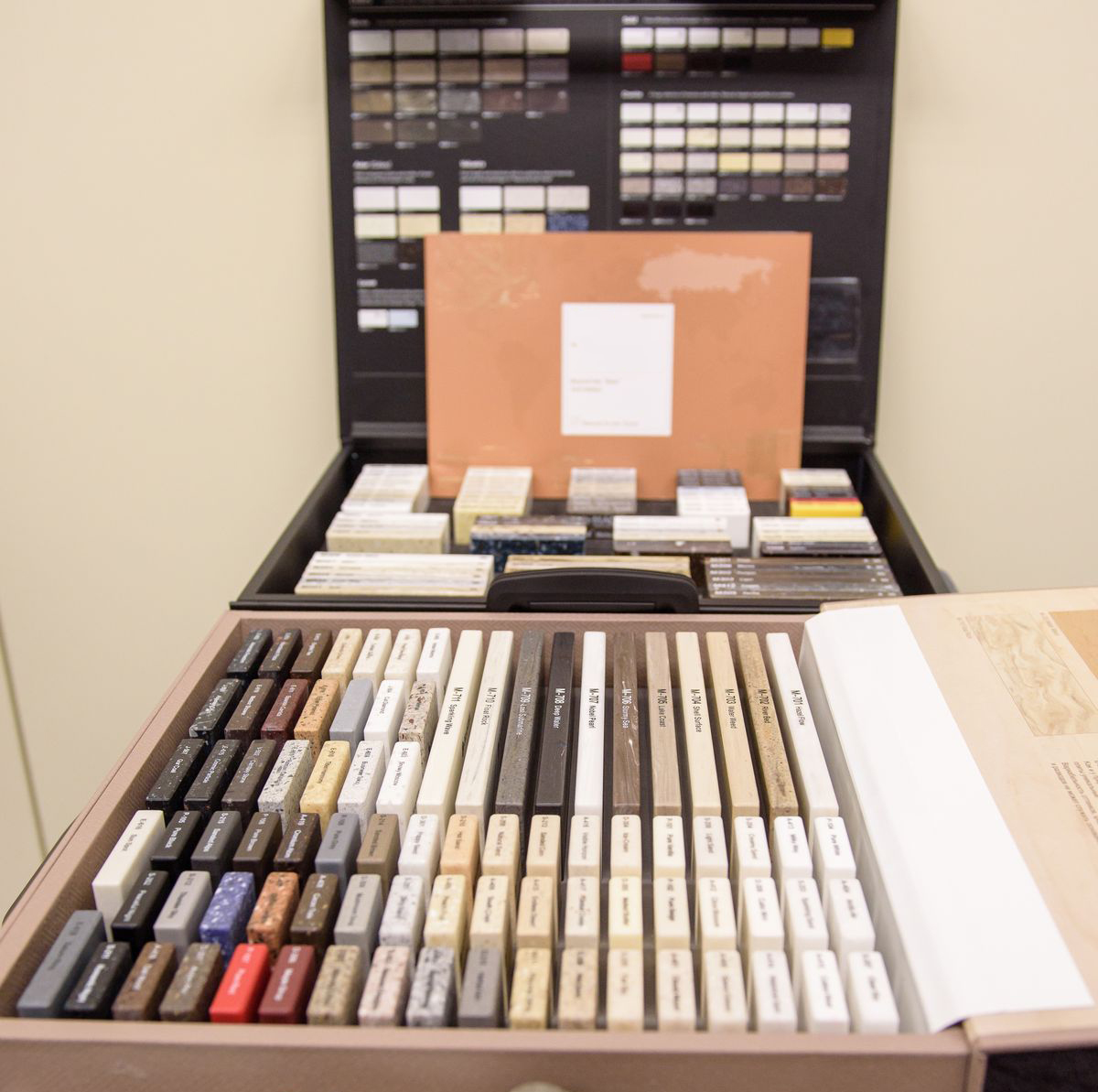
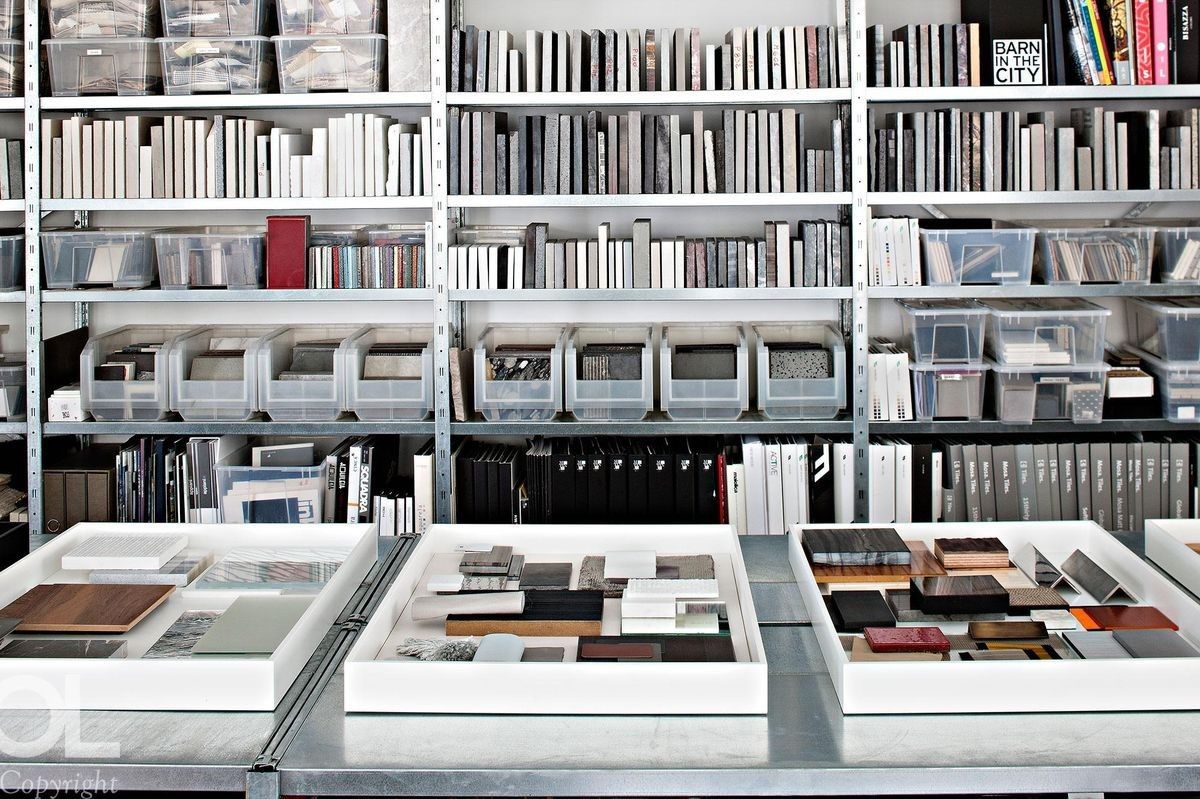
Focus on small-specification sample promotion: For example, when recommending stone slices, mosaics, and special-shaped stone accessories to customers, display boxes can individually store a single sample, with labels marking the material, specification, and price. This facilitates customers to browse and compare, and also prevents the samples from being damaged during transportation.
Require high-frequency portable use: Such as home visits to customers during foreign trade negotiations and participation in small-scale off-site exhibitions. Display boxes can stack and store multiple samples, featuring small size and light weight, which are easy to transport and display, and improve the professionalism of business communication.
Highlight the product's delicacy and scarcity: For high-end and precious stones (such as natural marble and jade stone), display boxes can be made of high-end materials like wood and leather, with sponge and flannel linings inside. This highlights the high-end positioning of the stone and is suitable for boutique stores or high-end customer docking scenarios.
2. Three Scenarios to Prioritize Stone Display Racks
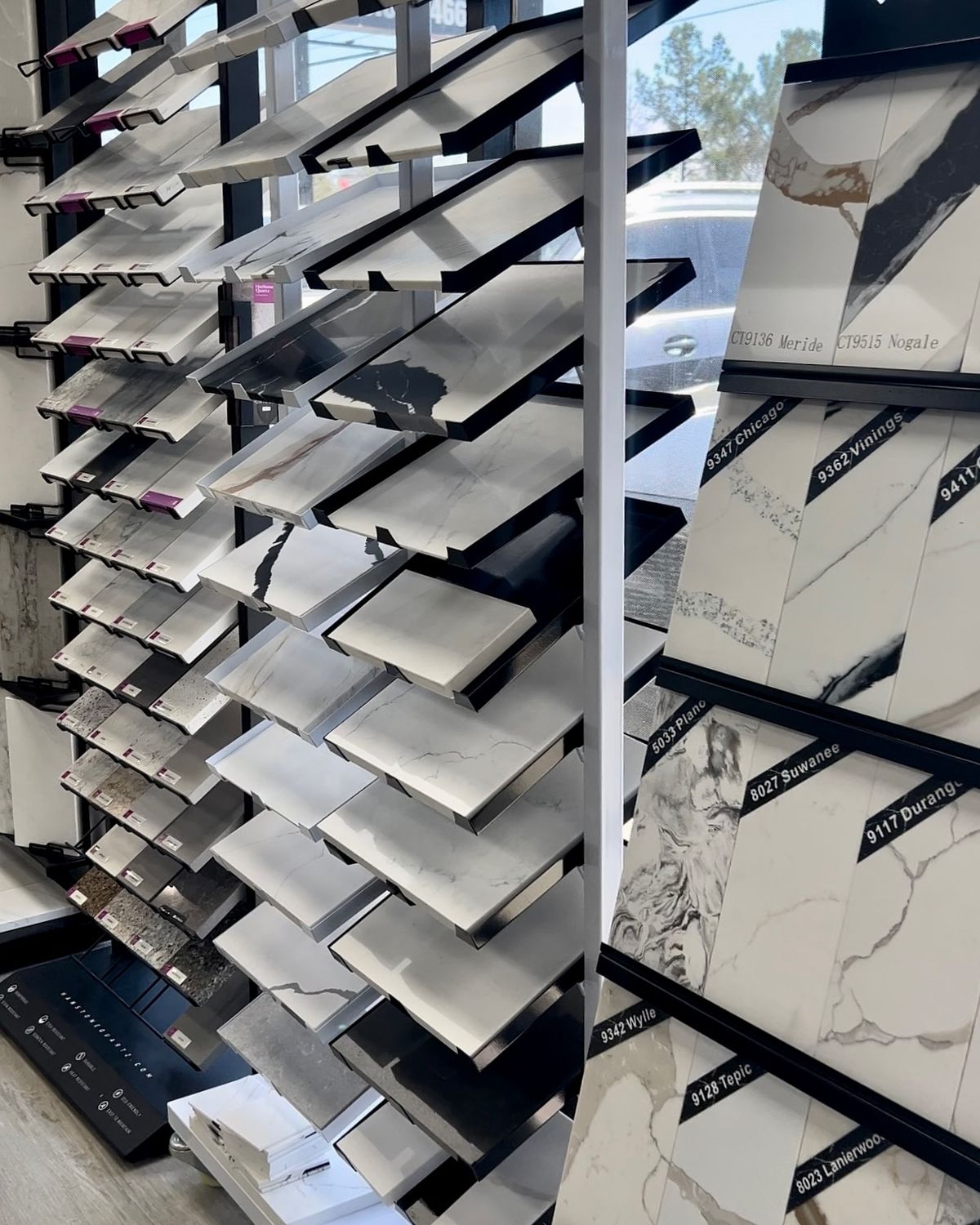
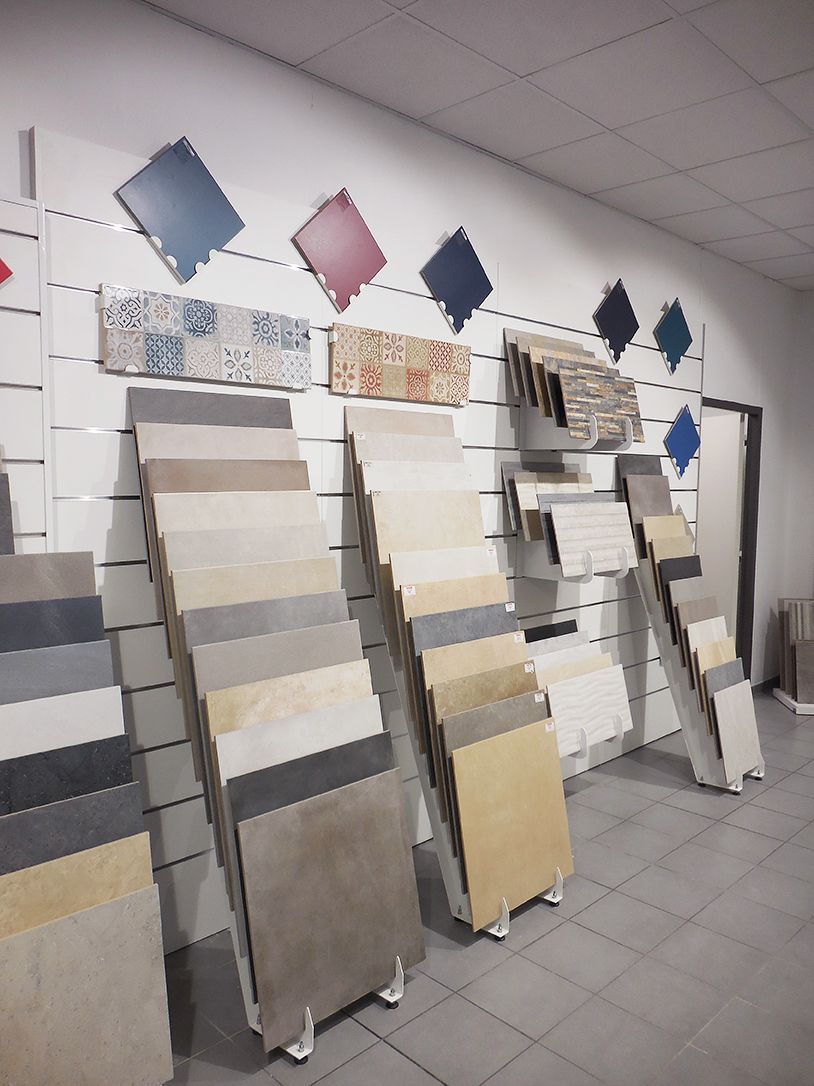
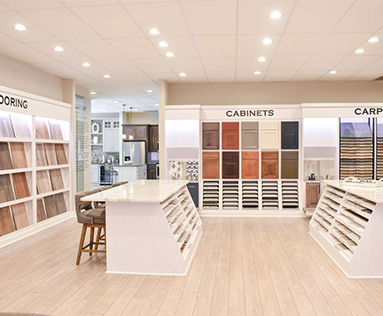
Create an immersive exhibition hall experience: The main area of the exhibition hall needs to present the overall decorative effect of the stone. Display racks can vertically or obliquely display large-specification stone slabs, combined with lighting, background walls, and soft decoration arrangements (such as matching furniture and green plants). This allows customers to intuitively feel the application effect of the stone in the space and enhances their purchase intention.
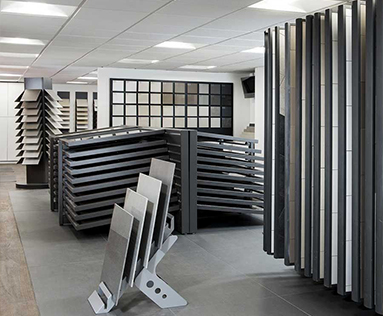
Need to batch display serialized products: For example, when launching a series of stones with various textures and colors, display racks can display different products in layers and zones, making it convenient for customers to horizontally compare the differences in materials and textures. It is suitable for special exhibition booths or large-area display areas in stores.
Author:
Sunshine Building Materials Co.,Limited
0
Related News
-

Display Boxes or Display Racks?
In the display scenarios of stone products (such as exhibition hall display, exhibition promotion, and customer sample presentation), display boxes and display racks are the two core carriers. They are not a case of "either/or" but need to be accurately matched according to the display purpose, product characteristics, and usage scenarios to maximize the highlight of the stone's texture, tactile feel, and value. The following analysis from core dimensions will help you quickly make the optimal c
-
Quartz Stone Display Racks
Furniture is an important part of our daily life. It not only provides us with a comfortable living environment, but also reflects our taste and lifestyle. Modern furniture is usually made of wood, metal, plastic or glass. Different materials have different characteristics, so it is important to choose the right material for the right purpose. For example, wood is suitable for making chairs and tables, while metal is suitable for making cabinets and shelves. In addition to the material, the desi
-
Types of Stone Display Racks
Stone display racks can be categorized into various types based on their size, function, and application scenarios: Large-Scale Stone Display Racks • Stone Slab Display Racks • Standard-Size Stone Display Racks • Stone Stair Tread Display Racks Small-Scale Stone Display Racks • Stone Sample Boxes • Desktop Display Racks Classification by Material • Metal Display Rack • Wooden Display Racks • Acrylic Display Racks
-
Stone Display Cases Are Essential for Shworoom
The core purpose of equipping stone exhibition halls with stone display cases is to address the standardized presentation, detailed display, and practical experience of small stone samples, while enhancing the hall’s professionalism and improving customers’ decision-making efficiency. The specific reasons are as follows:
-
Stone Showroom Layout & Design
1. Spatial Planning & Traffic Flow: Design a logical, one-way circulation path to guide visitors smoothly through different stone categories (e.g., natural marble, granite, engineered stone). Allocate 1.8-2.5 meters of clear walkway to avoid congestion, and place core products (high-end or best-selling items) at eye-level in high-traffic areas. 2. Product Display Strategies: Use multi-level showcases (30cm, 60cm, 90cm heights) to present stone slabs, samples, and finished applications (e.g., co
-
Sunshine Stone And Tile Display Solution
Crafted for durability and designed to dazzle, our stone display fixtures are the perfect showcase for natural marble, granite, quartz, and engineered stone. Meticulously constructed with high-grade materials, each unit balances structural stability with sleek aesthetics—whether you need wall-mounted panels, freestanding towers, or customizable slatwall systems, we tailor every design to highlight your stone’s unique veining, texture, and color depth. Ideal for showrooms, trade fairs, or retail
Display Boxes or Display Racks?
2025-11-10 00:00:00
Click:
“
In the display scenarios of stone products (such as exhibition hall display, exhibition promotion, and customer sample presentation), display boxes and display racks are the two core carriers. They are not a case of "either/or" but need to be accurately matched according to the display purpose, product characteristics, and usage scenarios to maximize the highlight of the stone's texture, tactile feel, and value. The following analysis from core dimensions will help you quickly make the optimal c
”
In the display scenarios of stone products (such as exhibition hall display, exhibition promotion, and customer sample presentation), display boxes and display racks are the two core carriers. They are not a case of 'either/or' but need to be accurately matched according to the display purpose, product characteristics, and usage scenarios to maximize the highlight of the stone's texture, tactile feel, and value. The following analysis from core dimensions will help you quickly make the optimal choice.
1. Three Scenarios to Prioritize Stone Display Boxes
Focus on small-specification sample promotion: For example, when recommending stone slices, mosaics, and special-shaped stone accessories to customers, display boxes can individually store a single sample, with labels marking the material, specification, and price. This facilitates customers to browse and compare, and also prevents the samples from being damaged during transportation.
Require high-frequency portable use: Such as home visits to customers during foreign trade negotiations and participation in small-scale off-site exhibitions. Display boxes can stack and store multiple samples, featuring small size and light weight, which are easy to transport and display, and improve the professionalism of business communication.
Highlight the product's delicacy and scarcity: For high-end and precious stones (such as natural marble and jade stone), display boxes can be made of high-end materials like wood and leather, with sponge and flannel linings inside. This highlights the high-end positioning of the stone and is suitable for boutique stores or high-end customer docking scenarios.
2. Three Scenarios to Prioritize Stone Display Racks
Create an immersive exhibition hall experience: The main area of the exhibition hall needs to present the overall decorative effect of the stone. Display racks can vertically or obliquely display large-specification stone slabs, combined with lighting, background walls, and soft decoration arrangements (such as matching furniture and green plants). This allows customers to intuitively feel the application effect of the stone in the space and enhances their purchase intention.
Need to batch display serialized products: For example, when launching a series of stones with various textures and colors, display racks can display different products in layers and zones, making it convenient for customers to horizontally compare the differences in materials and textures. It is suitable for special exhibition booths or large-area display areas in stores.
Author:
Sunshine Building Materials Co.,Limited
0
Related News
-
Display Boxes or Display Racks?
In the display scenarios of stone products (such as exhibition hall display, exhibition promotion, and customer sample presentation), display boxes and display racks are the two core carriers. They are not a case of "either/or" but need to be accurately matched according to the display purpose, product characteristics, and usage scenarios to maximize the highlight of the stone's texture, tactile feel, and value. The following analysis from core dimensions will help you quickly make the optimal c
MORE -
Quartz Stone Display Racks
Furniture is an important part of our daily life. It not only provides us with a comfortable living environment, but also reflects our taste and lifestyle. Modern furniture is usually made of wood, metal, plastic or glass. Different materials have different characteristics, so it is important to choose the right material for the right purpose. For example, wood is suitable for making chairs and tables, while metal is suitable for making cabinets and shelves. In addition to the material, the desi
MORE -
Types of Stone Display Racks
Stone display racks can be categorized into various types based on their size, function, and application scenarios: Large-Scale Stone Display Racks • Stone Slab Display Racks • Standard-Size Stone Display Racks • Stone Stair Tread Display Racks Small-Scale Stone Display Racks • Stone Sample Boxes • Desktop Display Racks Classification by Material • Metal Display Rack • Wooden Display Racks • Acrylic Display Racks
MORE -
Stone Display Cases Are Essential for Shworoom
The core purpose of equipping stone exhibition halls with stone display cases is to address the standardized presentation, detailed display, and practical experience of small stone samples, while enhancing the hall’s professionalism and improving customers’ decision-making efficiency. The specific reasons are as follows:
MORE -
Stone Showroom Layout & Design
1. Spatial Planning & Traffic Flow: Design a logical, one-way circulation path to guide visitors smoothly through different stone categories (e.g., natural marble, granite, engineered stone). Allocate 1.8-2.5 meters of clear walkway to avoid congestion, and place core products (high-end or best-selling items) at eye-level in high-traffic areas. 2. Product Display Strategies: Use multi-level showcases (30cm, 60cm, 90cm heights) to present stone slabs, samples, and finished applications (e.g., co
MORE -
Sunshine Stone And Tile Display Solution
Crafted for durability and designed to dazzle, our stone display fixtures are the perfect showcase for natural marble, granite, quartz, and engineered stone. Meticulously constructed with high-grade materials, each unit balances structural stability with sleek aesthetics—whether you need wall-mounted panels, freestanding towers, or customizable slatwall systems, we tailor every design to highlight your stone’s unique veining, texture, and color depth. Ideal for showrooms, trade fairs, or retail
MORE
Sunshine Building Materials Co., Ltd., established in 2013 and located in Fuzhou city, is a professional One-Stop Service Enterprise based in China.

点击右上角
分享给朋友吧
Get In Touch
TEL:+86 198-9058-5226 WeChat:+86 198-9058-5226
Address: Jingshang Country, Qingkou Fuzhou city, Fujian, China
Mailbox:bryanchensunshine@gmail.com
Work Shift:Mon-Fri:(09:00 - 18:00)
ALL Pages
点击右上角
分享给朋友吧
Copyright © 2025 Sunshine Building Materials Co.,Limited All Rights Reserved.
